Getting Started with Weekly Dance Socials
A practical introduction to finding and joining dance socials in your area. We cover what to expect, how to prepare, and tips for your first night out.
Read Article
Planning your first dance retreat in Galway? We'll walk you through accommodation, daily schedules, packing essentials, and practical tips to make the most of your experience.

There's something special about immersing yourself in dance for a few days straight. You're not just taking a class — you're stepping into a community of people who love the same thing you do. Galway's retreats have become increasingly popular with active retirees over the past five years, and it's easy to see why. The coastal setting, warm hospitality, and quality instruction create an experience that stays with you long after you return home.
Whether you're looking to deepen your bachata technique, connect with fellow dancers, or simply enjoy a different kind of holiday, a Galway dance retreat can offer all of that. But like any retreat, it helps to know what you're walking into. We've put together this guide based on feedback from dozens of attendees so you can arrive prepared and ready to enjoy every moment.
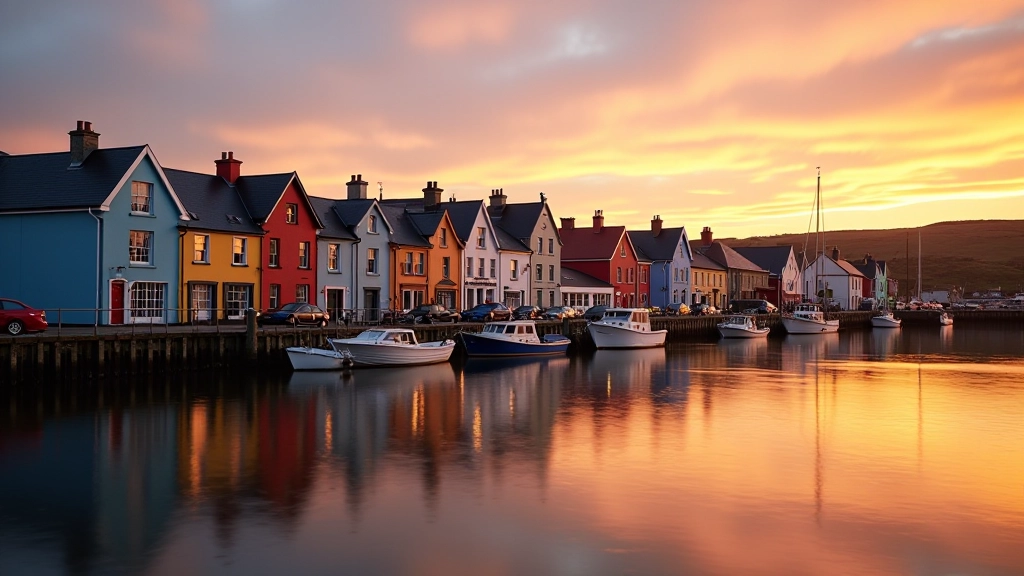
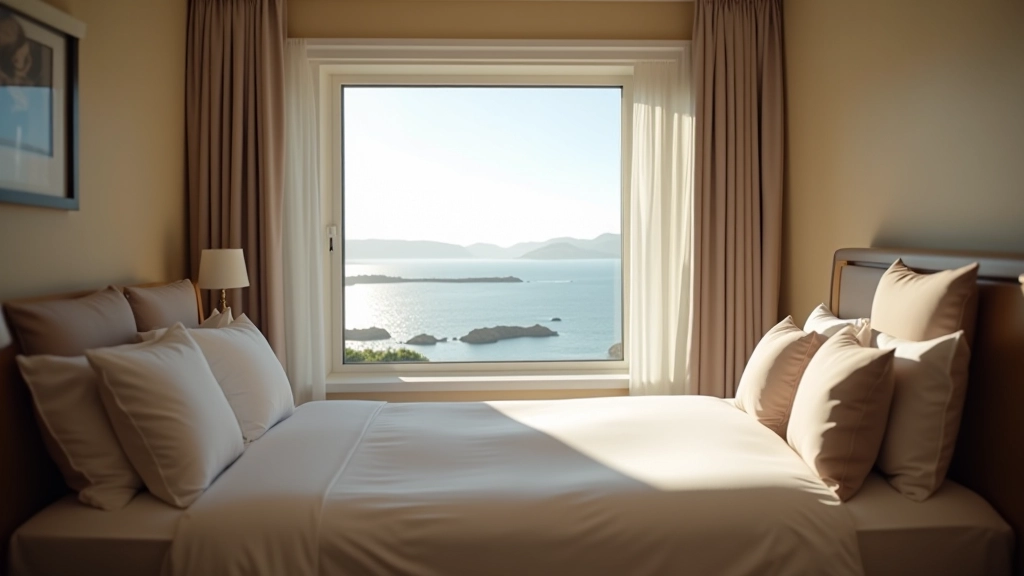
Most retreats in Galway offer accommodation as part of the package, though you can sometimes book just classes. The standard options are hotel rooms (either single or shared), guesthouses, and occasionally converted period properties with character.
You'll want to book accommodation at the same time as your retreat registration. Galway fills up quickly during peak season (May-September), so don't delay. Most retreats charge between €300-500 for the full weekend including accommodation and all classes. Check what's included — some cover meals, others don't.
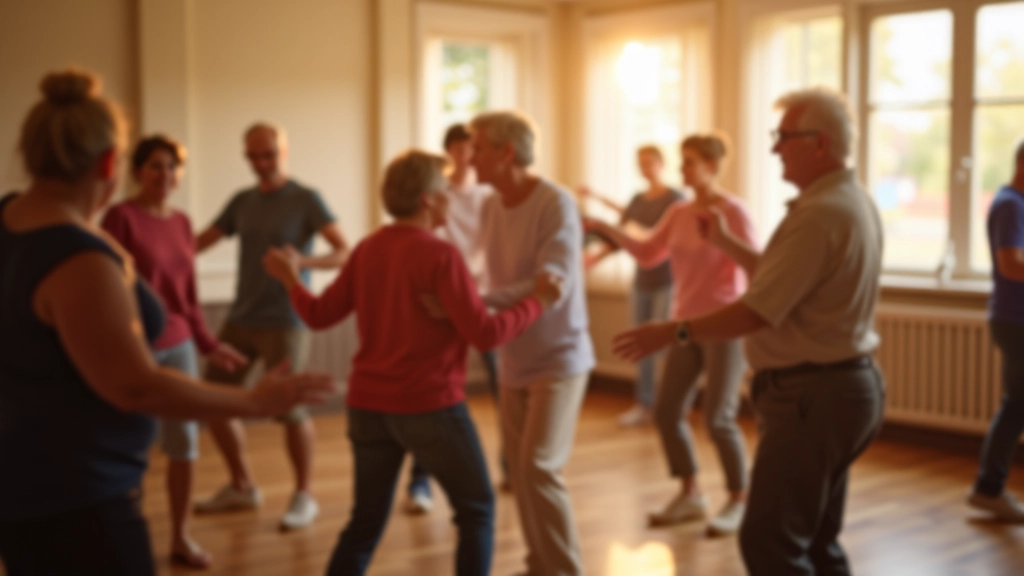
A typical retreat day runs from 9am to 6pm with breaks for meals and rest. You're not dancing the whole time — that wouldn't be sustainable or fun. The structure usually looks like this:
Morning technique class (90 mins). This is where you work on fundamentals — footwork, rhythm, body mechanics. It's purposeful but not high-pressure.
Breakfast break at the accommodation or nearby café. Many friendships start here.
Choreography workshop. You'll learn a routine in groups, which is where it gets fun.
Lunch break. Plenty of time to rest, walk around town, or nap if you need it.
Afternoon class — usually partner work or a different style (salsa, merengue, etc.).
Free time until evening social dancing or gala dinner. Most retreats end with a celebration dance on the final night.
Galway weather is unpredictable — you might get sunshine and showers on the same day. Pack layers and bring items you'll actually use, not things that sound like they should be there.
If possible, arrive the day before the retreat starts. You'll have time to settle in, find the studio, grab a coffee, and get over any travel tiredness. First-day arrivals often feel rushed and miss the relaxed introductions.
You won't become an expert dancer in a weekend. What you will do is improve your fundamentals, connect with people who share your interests, and feel more confident on the dance floor. That's worth the effort.
Dancing burns energy. You'll feel dizzy or tired if you skip lunch to practice. Eat properly, take breaks seriously, and listen to your body. Nobody's judging you for sitting out a class if you need rest.
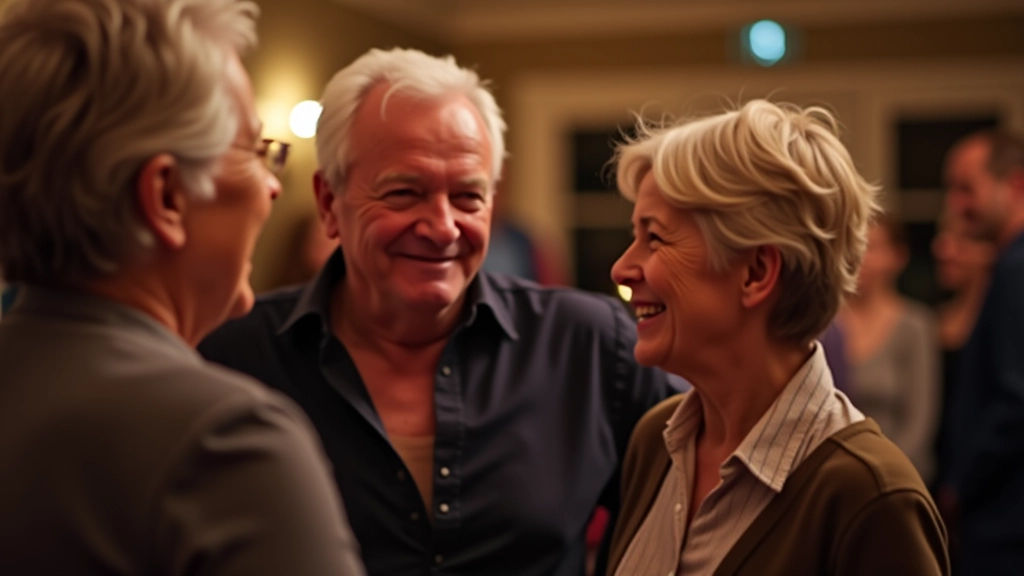
You'll meet people from across Ireland and beyond. Some become lasting friends. Be open to conversations during breaks. Sit with different people at meals. Attend the social dances even if you're tired — that's where the magic happens. Many attendees book the same retreat year after year specifically to reconnect with people they've met before.
A Galway dance retreat isn't just about improving technique — though you'll do that. It's about stepping out of your routine, challenging yourself in a supportive environment, and discovering that you're not alone in loving dance. You'll spend time with people who get it, who understand why you'd drive to the coast to spend a weekend dancing.
The week after a retreat is often when attendees say they feel the biggest shift. You'll have more confidence, better body awareness, and genuine friendships that extend beyond the dance floor. You'll probably start looking at next year's dates before you even leave.
So pack your dance shoes, bring an open mind, and get ready for a weekend you won't forget. Galway's waiting.
This article is provided for informational purposes only. Dance retreats involve physical activity, and you should consult with a healthcare provider before attending if you have any health conditions, injuries, or concerns. Retreat organizers typically ask about medical history during registration. Be honest about your fitness level and any physical limitations — instructors can offer modifications. Accommodation details, schedules, and pricing vary by retreat and year, so always verify current information directly with the organizers before booking.