Getting Started with Weekly Dance Socials
A practical introduction to finding and joining dance socials in your area. We cover what to expect, what to wear, and how to make friends on the dance floor.
Read More
Bachata is one of the easiest dances to learn. This guide breaks down the basic rhythm, fundamental steps, and common mistakes. You'll be dancing within weeks, not months.

If you've never danced before, don't worry. Bachata's got a reputation for being approachable, and it's deserved. The basic rhythm is simple — just a slow-quick-quick pattern that repeats. Once you understand that, you're halfway there.
What makes bachata special is that it doesn't demand perfection. You won't see competitive dancers doing flashy spins and jumps in the social setting. Instead, it's intimate, rhythmic, and honestly quite romantic. The focus is on connection with your partner and moving together as one unit.
Most people pick up the basic step in their first session. Real confidence — where you're not counting in your head anymore — takes about 4 to 6 weeks of regular practice. That's not a long timeline when you think about developing any new skill.
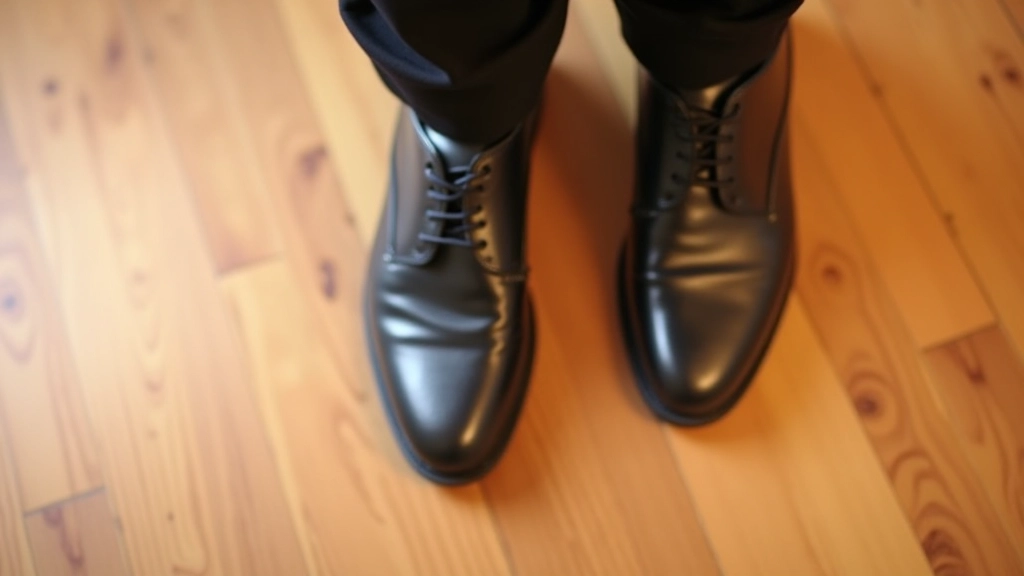
The bachata basic is built on an 8-count rhythm. Here's the breakdown: counts 1-2-3 are slow (taking up two beats each), then 4-5-6 are quick-quick (one beat each), and you pause on 7-8. The pattern repeats continuously.
For the leader (traditionally the person stepping back first): step back on count 1, bring your weight forward on 2, step in place on 3. Then quick-quick-quick on 4-5-6 with your hip movement becoming more pronounced. The pause lets you reset. The follower mirrors this, but starts by stepping forward.
Don't overthink it. Your hips will naturally move once you're stepping to the rhythm. That hip action isn't something you force — it's just what happens when you're shifting your weight side to side while keeping your upper body relatively still. Practise this pattern without a partner first. Get comfortable with your own footwork before worrying about synchronizing with someone else.
We've all seen it: someone standing stiff with their arms locked out, moving only from the knees down. That's not bachata. You're supposed to feel relaxed and connected to your partner.
The most common error is overthinking the footwork. Beginners often count so loudly in their heads that they forget to listen to the music. The rhythm is already there — let the song guide you instead of fighting it. If you mess up a step, just keep moving. Your partner will follow you.
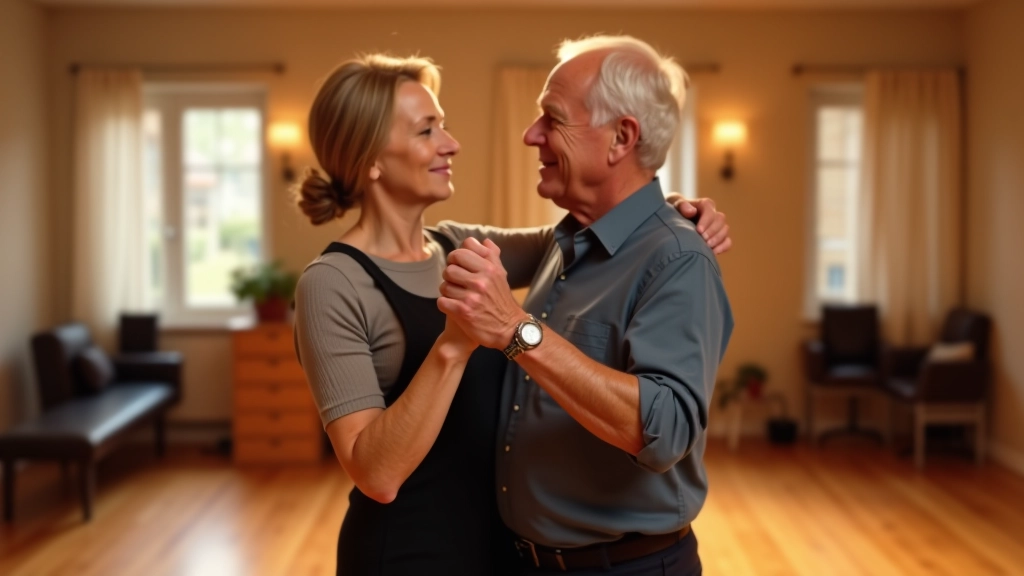
Another frequent issue is standing too far apart. Bachata requires closeness. You're not dancing next to your partner — you're dancing with them. The frame matters: your lead hand holds their hand at roughly shoulder height, your other hand sits gently on their back, and you're close enough to feel their weight shift. That connection is what makes bachata feel different from other partner dances.
Finally, don't expect your hips to move the same way they see in videos. Professional dancers have trained for years. In the beginning, just focus on stepping correctly and letting your hips move naturally. The rest will come with time.

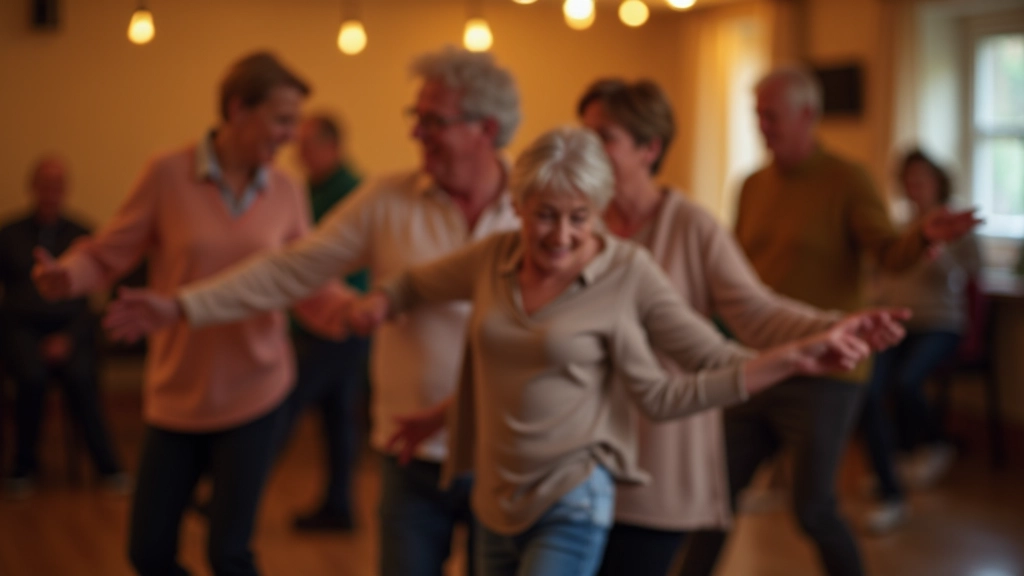
Once the basic step becomes muscle memory — and it will, usually after 3-4 weeks of weekly practice — you'll start noticing the music differently. You'll hear the subtle variations in the rhythm and understand why dancers add spins or travelling steps at certain moments.
This is when bachata becomes fun in a completely different way. You're no longer concentrating on your feet. Instead, you're actually dancing, enjoying the music, and connecting with your partner. You might pick up a spin or two. You'll probably start experimenting with travelling backwards or sideways. Some people discover they prefer a smoother, more Cuban style. Others enjoy the sharper, more staccato Dominican variation.
The beautiful thing about bachata is that there's always something new to explore, but the entry point is genuinely accessible. You don't need special fitness levels or previous dance experience. Just patience, a willingness to look a bit silly while you're learning, and someone patient to dance with. That's honestly all it takes.
You don't need a dance partner to begin. Put on some bachata music — look for classic tracks by Juan Luis Guerra or Romeo Santos — and practise the basic step in your living room. Feel the rhythm. Count the beats. Let your body move naturally.
When you're ready, join a beginner class or a social dance evening. You'll meet other people at the same level, and the atmosphere is always welcoming. Most importantly, you'll realize that learning to dance isn't as intimidating as you might've thought. Within a few weeks, you'll be moving confidently on the dance floor, enjoying the music, and discovering a whole community of people who share your passion.
Bachata is waiting for you. Take that first step.
This article provides educational information about bachata dance basics for informational purposes only. It's not a substitute for in-person instruction with a qualified dance teacher. Everyone's body is different, and what works for one person may not work for another. If you have any physical concerns or limitations, consult with a healthcare professional before starting any new physical activity. Always learn dance techniques from qualified instructors who can provide personalized feedback and ensure you're moving safely.